How to avoid hidden costs in Coney Hall rubbish clearance quotes
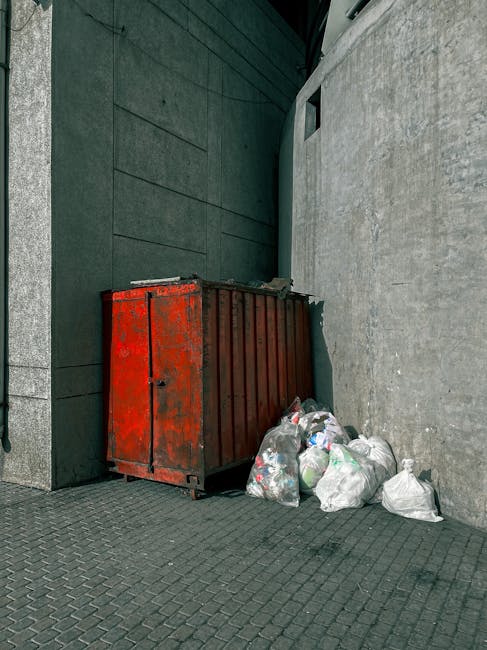
If you have ever compared rubbish clearance quotes and thought, "That looks fine... but what am I missing?", you are not alone. Hidden charges can creep into a job when pricing is vague, the waste type is misclassified, or the team arrives and discovers access is more awkward than expected. This guide explains how to avoid hidden costs in Coney Hall rubbish clearance quotes, so you can compare offers properly, ask the right questions, and book with a bit more confidence. The aim is simple: fewer surprises, better value, and a smoother clearance from start to finish.
In practice, a clear quote should tell you what is included, what could change the price, and what happens if the job turns out to be larger than expected. That sounds basic, but let's face it, basic is exactly what gets overlooked when people are in a rush. Whether you are clearing a home, office, garage, loft, or builders' waste, the same principles apply.
Why hidden costs matter
Hidden costs matter because waste clearance is one of those services where the final price can move if the details are incomplete. A quote might look competitive at first glance, but the total can climb once access issues, item types, labour time, or disposal fees are added in. The frustration is not just the money. It is the feeling of being cornered after you have already committed.
In Coney Hall, where properties can vary from compact flats to larger family homes, it is easy for a seemingly simple clearance to become a slightly messy one. A few extra bags in the hallway, a mattress in the loft, or a fridge tucked in a tight corner can all change the handling requirements. Nothing dramatic. Just enough to alter the cost if the provider has not priced properly.
Hidden charges also make it harder to compare providers fairly. One company may give a lower headline figure, then add on extras later. Another may appear slightly dearer but already include labour, disposal, and travel. The second quote may actually be the better deal. Which is why clarity beats a low starting number every time.
Expert summary: the cheapest rubbish clearance quote is not necessarily the best value. A transparent quote, with clear assumptions and written inclusions, usually saves money in the real world.
How rubbish clearance quotes work
Most rubbish clearance quotes are based on a mix of volume, weight, item type, access, labour, and disposal costs. A provider may estimate how much of a vehicle your waste will fill, whether special handling is needed, and how long the job will take on site. Some jobs can be priced from photos or a quick description, while others really need a site visit or a very detailed booking form.
The important thing is that the quote should be built from known facts, not hopeful guesses. If you say "just a few items" but the pile turns out to cover half a garage, the price will usually move. If you mention a wardrobe but forget the broken freezer beside it, the provider may need to adjust the job because appliance disposal and certain waste categories can carry different handling or recycling requirements.
A good quote should clearly state the following:
- what waste is included
- how much labour is covered
- whether loading is included
- any access assumptions, such as parking distance or stairs
- extra charges for bulky, heavy, or specialist items
- VAT or other taxes, if applicable
- what happens if the job changes on arrival
If you are clearing mixed items, it can help to review related guidance on waste removal and specific service pages such as furniture clearance or garage clearance. That way, you can see how different types of waste are usually treated before you request a quote.
Key benefits and practical advantages
When a quote is transparent, a lot of small problems disappear before they start. You know where you stand. The provider knows what they are walking into. Nobody spends ten minutes at the doorstep having an awkward pricing discussion while the kettle goes cold inside. It sounds small, but these things matter.
Here are the main benefits of taking a careful approach:
- Better budget control: you can compare like-for-like quotes instead of comparing guesswork.
- Less stress on the day: there is less chance of a last-minute price rise or a delayed decision.
- Fewer disputes: written clarity reduces the scope for misunderstandings.
- More efficient booking: the clearance team can bring the right vehicle and crew first time.
- Cleaner service choice: you can match the job to the right service, whether that is a home, office, or builders' clearance.
There is also a subtle but important benefit: confidence. Once you understand what should be inside a quote, you stop feeling like the process is a mystery. That alone makes the whole thing easier to handle.
If your clearance involves a workplace, confidential material, or a larger mixed load, it may be worth looking at office clearance, business waste removal, or confidential shredding to understand what kind of service fits best before you ask for prices.
Who this is for and when it makes sense
This approach makes sense for almost anyone arranging waste clearance, but it is especially useful if the job is not straightforward. A few examples:
- households clearing clutter after a move or renovation
- landlords managing a flat clearance between tenancies
- builders or tradespeople with mixed construction waste
- small businesses clearing old stock, furniture, or archive material
- people dealing with bulky items, garden waste, or awkward access
If you are clearing a loft, garage, or house with stairs, narrow hallways, or a shared entrance, hidden costs become more likely. Why? Because access is part of the job. A quote based on easy roadside loading can be way off if the team has to carry everything down three flights and through a tight stairwell.
It also makes sense if you are trying to choose between services. For example, a straightforward household job may fit home clearance or house clearance, while a heavier load from refurbishment work may be better matched to builders' waste clearance. Matching the service early helps prevent cost creep later.
Step-by-step guidance
If you want to avoid hidden costs, the best approach is to slow down slightly at the quote stage. Not much. Just enough to gather the right information.
1. List everything that needs to go
Write down every item, bag, and pile. Include the obvious things, but also the awkward bits people forget: broken shelves, old paint tins, garden rubble, or a fridge hiding in the shed. Half a quote problem starts with "Oh, and there was one more thing."
2. Take clear photos from different angles
Photos help, especially if the space is cluttered. Stand back far enough to show scale, then take close-ups of bulky or unusual items. Good pictures reduce the risk of surprise charges because the provider can judge volume and access more accurately.
3. Explain access honestly
Be specific about stairs, parking, loading distance, locked gates, time restrictions, or tight entrances. If there is a lift, mention whether it works. If the parking is awkward on a busy road, say so. A five-minute inconvenience can turn into a real labour cost if it is not known in advance.
4. Ask what is included in the quoted price
Do not settle for "yes, all included" unless you know what that means. Ask directly: Does the price include loading, labour, disposal, congestion, VAT, and recycling fees? If the answer is vague, treat that as a warning sign. Honestly, vagueness is where hidden costs love to live.
5. Ask about extra charges before you book
Some services charge more for mattresses, sofas, fridges, hazardous waste, or mixed heavy materials. Others may need separate handling for items that cannot simply be tipped into a standard mixed load. If you have special items, name them early and ask for the price to be written down.
6. Confirm how the final price is agreed
Find out whether the provider will revise the quote on arrival if the job differs from the description. That is reasonable in many cases, but the process should be clear. A fair operator explains the difference, shows why the price changes, and gives you the chance to proceed or decline.
7. Get the quote in writing
Even a short written confirmation is better than a phone chat you cannot prove later. Email, text, or an online booking summary can all help. Keep it simple, but keep it written.
Expert tips for better results
Here is the part that tends to save people the most money. Small habits, big difference.
- Use honest measurement language: say "half a garage" or "three large sacks and a dismantled wardrobe" rather than "not much."
- Separate the waste mentally before you call: general rubbish, furniture, appliances, garden waste, and construction debris are not always treated the same way.
- Watch for split pricing: some providers give a headline rate for collection, then add handling or disposal later. Ask for the final figure.
- Check the quote against the job type: a sofa disposal job is different from a mixed loft clearance, even if both look small at first glance.
- Be cautious with "subject to inspection" wording: that is not automatically bad, but it should not be a blank cheque.
A practical trick? Read the quote aloud to yourself and ask, "If I were the customer, what could still be added later?" It sounds a bit daft, but it works. You start spotting the gaps quickly.
For bulky household items, related service pages such as mattress and sofa disposal and fridge and appliance removal are useful because they remind you that not every bulky item is priced the same way.
Common mistakes to avoid
Most hidden costs can be traced back to one of a handful of avoidable mistakes. The good news is that once you know them, they are easy enough to sidestep.
- Giving vague descriptions: "a bit of rubbish" is not enough for an accurate quote.
- Forgetting access details: steep stairs, parking restrictions, or a long carry can change the job.
- Not naming specialist waste: fridges, paint, chemicals, and certain DIY leftovers may need different handling.
- Assuming all quotes are fixed: some are estimates until the team sees the waste in person.
- Focusing only on price: a cheap quote with unclear terms can be more expensive in the end.
- Ignoring the small print: terms and conditions are not exciting, but they do matter.
There is also the classic mistake of comparing one provider's all-in price with another provider's base price. That comparison looks tidy on the page and then falls apart in reality. Compare the same thing with the same thing, otherwise the numbers lie a little.
Tools, resources and recommendations
You do not need fancy software to avoid hidden charges. A phone, a notes app, and a few clear photos are usually enough. Still, a bit of structure helps.
Useful things to prepare before requesting quotes:
- a short written list of items
- photos of the waste and the access route
- approximate room or area sizes
- details of any stairs, lifts, or parking limits
- a note on whether items are dismantled or still assembled
It can also help to review provider information pages before booking. The pricing and quotes page is a sensible place to understand how a business approaches estimates, while payment and security helps you think about how and when payment is handled. If you are unsure about what belongs in a load, what can go in a skip is also a useful reference point for common waste categories and exclusions.
For people planning to recycle as much as possible, recycling and sustainability is worth a look. Transparent pricing and responsible disposal usually go hand in hand, and that is good for everyone involved.
Law, compliance and best practice
Waste clearance is not just about lifting and loading. In the UK, there are legal and operational expectations around handling waste responsibly, describing it accurately, and disposing of it through proper channels. You do not need to become an expert in legislation, but you should expect the company to act professionally and to explain any issues that affect your job.
In plain English, that means a few things. Waste should be identified correctly. Certain items need special handling. A legitimate provider should be able to explain how disposal is managed, especially if there are materials that require more care. If a quote sounds suspiciously low, one possible reason is that the provider has not accounted for the real disposal cost.
Best practice also includes clear terms, fair communication, and sensible safety procedures. If a team is carrying heavy items from a loft or basement, you want to know they are working carefully, not improvising. A provider with visible policies such as health and safety policy and insurance and safety information gives you a stronger signal that the business takes the job seriously.
For specialist waste, use specialist pages. Hazardous items should not be treated like ordinary rubbish. If you have chemicals, paint, or other difficult materials, check the approach on hazardous waste disposal before you book. Better to ask twice than pay once and worry later.
Options and comparison table
Different clearance options suit different jobs. The right one depends on access, waste type, urgency, and how much help you need on the day.
| Option | Best for | Risk of hidden costs | What to check |
|---|---|---|---|
| Quoted collection by photos | Smaller, clearly shown jobs | Medium | Ask what happens if the load is larger than the photos suggest |
| On-site inspection before booking | Mixed or awkward clearances | Low to medium | Confirm whether the inspection is free and whether the quote is fixed |
| Standard waste removal | General household or business waste | Medium | Check what types of waste are excluded |
| Specialist item removal | Fridges, mattresses, sofas, or hazardous items | Low if explained properly | Confirm any separate handling or disposal fees in advance |
| Full property clearance | Homes, flats, lofts, offices, or garages | Higher if access is unclear | List every room, staircase, and bulky item |
If you are unsure which route fits your job, compare flat clearance, loft clearance, and office clearance against the actual size and complexity of the job. The right service type often prevents cost surprises before they start.
Case study or real-world example
A typical Coney Hall situation might look like this. A homeowner wants to clear a garage, a few pieces of old furniture, and a tired fridge that has been sitting quietly in the corner for months. At first glance, it seems simple. But then the provider learns the garage is at the back of the property, the path is narrow, the fridge needs specialist handling, and there are also a couple of bags of renovation waste near the entrance.
If the homeowner had asked only for "garage clearance", the headline quote could have missed the extra labour and the appliance disposal element. That is where hidden costs tend to appear. Not because anyone is trying to be awkward, but because the service asked for and the service actually needed are slightly different.
In a better version of the same job, the customer sends photos, lists the fridge separately, mentions the narrow side path, and asks whether the final price includes loading and disposal. The provider gives a more precise quote from the start. The customer pays a fair price, the team arrives with the right expectations, and the job gets finished without any of that shaky doorstep negotiation. Much nicer all round.
Practical checklist
Use this checklist before you accept any rubbish clearance quote in Coney Hall:
- Have I listed every item, bag, and pile?
- Have I mentioned stairs, parking, and any difficult access?
- Have I identified bulky, heavy, or specialist items?
- Do I know whether labour, loading, and disposal are included?
- Have I asked about VAT and any extra charges?
- Is the quote written down clearly?
- Do the terms explain what happens if the job changes on arrival?
- Have I matched the service to the waste type?
- Have I checked the provider's policies on safety and payment?
- Am I comparing like-for-like quotes rather than headline numbers only?
If the answer to any of those is no, pause for a moment. It is usually worth one more question before you book.
Conclusion
A good rubbish clearance quote should feel calm, clear, and complete. If it leaves you guessing, there is probably room for a hidden cost somewhere in the gaps. The best way to avoid that is not complicated: describe the job properly, share the awkward details, ask what is included, and get the price in writing.
For Coney Hall residents and businesses, that simple discipline can save money, reduce stress, and make the whole process feel far more straightforward. And truth be told, that is worth quite a lot when you are already dealing with clutter, deadlines, or a space that needs sorting out quickly. One clear quote. One clear job. Much better.
If you are ready to move forward, the next sensible step is to compare your options carefully and choose a provider that explains things plainly from the beginning.
Get a free quote today and see how much you can save.
Frequently Asked Questions
What is the most common hidden cost in rubbish clearance quotes?
The most common hidden cost is extra labour or disposal fees added after the quote because the waste volume, access, or item type was not described accurately enough at the start.
How do I know if a quote is truly fixed?
Ask the provider to confirm in writing whether the price is fixed, what it includes, and under what circumstances it could change. If the answer is unclear, treat it as an estimate rather than a fixed price.
Should I send photos before getting a quote?
Yes, photos usually help a lot. They give the provider a better sense of volume, item type, and access, which reduces the chance of surprise charges later.
Do stairs or parking really affect the price?
They can. Stairs, long carry distances, limited parking, or awkward access often mean more labour time, and that may be reflected in the final price if it was not mentioned early.
Are mattresses, sofas, and fridges priced differently?
Often, yes. Bulky items and appliances can need different handling or disposal arrangements, so it is sensible to ask about them separately rather than assuming they are covered in a general load.
Is the cheapest quote usually the best choice?
Not always. A low quote can look attractive, but if it excludes labour, disposal, or special items, it may cost more overall. Compare what is included, not just the headline number.
What should I ask before booking a clearance?
Ask what is included, whether the quote is fixed, whether VAT applies, what happens if the job changes, and whether any items attract extra charges. Those five questions catch most surprises.
Can I get a quote from a description alone?
Sometimes, yes, especially for small and straightforward jobs. But for mixed waste, full clearances, or awkward access, photos or an on-site assessment are usually more reliable.
What if I forget to mention an item until the day of collection?
Be honest and tell the provider as soon as possible. The final price may need to change if the job is larger or more complex than originally agreed.
Do business clearances have different cost risks from home clearances?
They can. Office or business clearances may involve archive material, mixed furniture, confidential waste, or larger volumes, so it is worth checking the service scope carefully before you accept a quote.
Why do some quotes mention "subject to inspection"?
That wording usually means the provider wants to confirm the waste and access before giving a final price. It is not automatically a problem, but the process should still be clear and fair.
How can I avoid extra charges on the day?
Give an accurate description, share photos, mention access issues, list specialist items, and make sure the quote includes loading and disposal. The clearer the setup, the fewer the surprises.
Where can I learn more about the company before booking?
You can review pages such as about us, terms and conditions, payment and security, and recycling and sustainability to get a clearer picture of how the service is run.