Commercial Waste Removal in Coney Hall
Commercial waste removal in Coney Hall needs to be practical, predictable and suited to the way your business works. We handle a range of non-domestic waste streams for offices, shops, workshops, landlords and shared premises, helping you clear away general rubbish and bulky items without turning it into a major disruption. The service is built around straightforward collection, sensible sorting and responsible disposal, with an emphasis on keeping the process clear from the first enquiry through to completion.
Our work covers everyday commercial clearances such as office rubbish, mixed operational waste, unwanted furniture, broken fixtures and periodic clear-outs after refits or moves. Where a business needs a more specific solution, we can also discuss business waste removal, furniture disposal and related collections that keep stockrooms, back-of-house areas and working floors easier to manage. If you are comparing options, a good starting point is to identify the main waste types and decide what needs collecting first.
For many customers the useful detail is not a long explanation of waste disposal, but a clear sense of what can be taken, how access might affect the job and what information helps the quotation process. A short note about the volume, the item types and whether anything is awkward to move is usually enough to begin. Tell us what needs removing, and we can talk through the most suitable route. If you already know the collection date you need, that can also help with planning, though it is not a requirement for a first conversation.
Office and workplace waste collection
Office waste removal is often about clearing mixed items that are no longer needed but still occupy useful space: desks, chairs, filing cabinets, shelving, packaging, redundant display materials and general rubbish from reorganisations. Our approach is designed to keep business areas functional while items are removed, with an emphasis on sensible handling rather than simply shifting everything into one vehicle. Where appropriate, we can separate furniture from lighter waste so the collection is more efficient and the disposal route is better matched to the material.
Office and workplace collections are also useful when a business is changing layout, consolidating rooms or refreshing old equipment. In those situations, the waste stream may include more than one category, so it helps to know which items are reusable, which are broken and which need standard disposal. We can discuss office clearance where a fuller removal is needed, or keep the job narrower if you only want selected items gone. Either way, the aim is a tidy result that supports the next stage of work.
When you are preparing an enquiry, it is usually enough to note three things: the type of premises, the main items involved and any access considerations such as stairs, shared entrances or loading restrictions.
- List the biggest items first.
- Note whether there are mixed waste types.
- Mention if the collection has to fit around opening hours.
Furniture and bulky item disposal

Bulky commercial furniture is a common reason for arranging waste removal, especially when premises are being refitted, downsized or handed over. We can collect items such as desks, chairs, storage units, tables and other workspace furniture that is no longer required. In some cases the items may still be sound but unsuitable for the current layout; in others they may be damaged, outdated or simply surplus to requirements. The important thing is that the removal is handled in a way that keeps pathways clear and avoids unnecessary handling on site.
Where furniture is the main issue, the job may overlap with furniture disposal or a broader furniture clearance. Those pages describe the same practical idea from slightly different angles: one focuses on items leaving the premises, the other on clearing a more complete set of bulky pieces. If you are deciding what to remove, it can help to separate fixed fittings, loose items and anything that might be reused internally before requesting a quotation.
Bulky waste is often more efficient to collect when it is grouped together, but it does not need to be perfectly organised before you ask for help. A simple description of the furniture, the room it is in and whether dismantling is needed is normally enough to start. If you have several categories mixed together, mentioning them in one message can save time. Useful details often include whether there is lift access, whether the items are on the ground floor and whether any pieces need to be carried through shared areas.
Waste from shops, stockrooms and mixed business premises
Commercial waste removal is not limited to offices. Shops, small warehouses, storage areas and service premises often need help with general waste after seasonal changes, product refreshes or routine clear-outs. This can include cardboard, packaging, outdated display materials, damaged fixtures and mixed refuse that has built up over time. Our service is intended to make those clearances manageable without requiring you to organise separate collections for every item type when a mixed load is the better practical choice.
For premises with varied waste, the main decision is usually whether the job is a simple pickup or part of a wider tidy-up. If you only need a limited quantity taken away, a straightforward collection may be enough. If the area contains a combination of shelving, packaging, obsolete stock and general waste, it may suit a more complete clearance such as business waste removal. The distinction matters because it changes how the work is planned and what sort of access is needed on the day.
It is sensible to think about waste in practical categories rather than trying to write a perfect description. For example, mixed commercial waste often means a collection can be planned around the largest or heaviest items first, then lighter material afterwards. If anything is particularly awkward, such as sharp-edged metal, damp material or items that need a careful carry route, include that detail early. That gives a clearer picture and helps us advise on the best way to handle the removal.
Specialist items, sorting and disposal routes

Some commercial collections involve items that cannot simply be treated like general rubbish. Fridges, appliances, office shredding, certain bulky materials and items with mixed components may need a more specific disposal route. We can discuss those needs case by case so the collection fits the item rather than forcing everything into one broad category. Where a business has a few different waste types at once, a planned approach is usually more efficient than arranging separate removals in isolation.
For confidential paperwork, the key concern is the secure handling of documents that should not be left in open bins or ordinary recycling. We offer confidential shredding as a separate service for that purpose. If your premises also have old appliances or refrigerated units, fridge and appliance removal may be a better fit for those pieces, while hazardous waste disposal is reserved for materials that require special care and a more controlled route.
Knowing which items are special cases matters because it affects collection planning and the disposal method. If you are not sure whether something belongs with standard waste, it is better to name the item than to leave it out. A brief description is usually enough: what the item is, how many there are and whether it is intact or damaged. That helps avoid confusion and allows the quotation to reflect the actual work rather than a guess.
Pricing factors, access and quotation preparation
Quotes for commercial waste removal are usually shaped by a handful of practical factors: the volume of waste, the nature of the items, how easy they are to access and whether any materials need separate handling. A small collection of bagged rubbish is very different from a set of heavy office units or mixed items spread across several rooms. Rather than relying on assumptions, we look at the description of the job and match it to the likely work involved so the proposal is more realistic.
The most useful quotation details are often simple. If you can say what kind of premises you have, what needs removing and whether there are stairs, narrow corridors or restricted parking, that usually gives enough context to begin. For jobs with several components, it can help to mention the largest items first and then the smaller waste around them. If you need a broader estimate, you can also review pricing and quotes before making contact. A clear description makes comparison easier, whether you are collecting one item or arranging a fuller clear-out.
Try to avoid overcomplicating the enquiry. You do not need a long inventory unless the collection is extensive; a practical summary is usually enough. The best approach is often to group similar items together and say what matters most: volume, access, any awkward lifting and any deadline you are working towards. From there, the job can be discussed in a way that reflects the actual waste rather than a generic service description.
About Coney Hall
Coney Hall is a residential area in the London Borough of Bromley, closely associated with West Wickham in south-east London. The name is often linked to the Coney Hall estate, which was developed in the interwar period on land that previously formed part of the wider rural fringe of Kent before suburban expansion reshaped the area. Its local character is shaped by a mixture of housing styles, green edges and the road network that connects it with surrounding parts of Bromley and neighbouring districts. The area sits near the boundary of several different suburban landscapes, which gives it a quieter feel than the larger commercial centres nearby while still keeping strong links to them. Coney Hall is also known for its association with West Wickham Common and the open, wooded land that forms part of the local landscape character. Nearby parks and commons contribute to a sense of space, and the area’s streets reflect the planned nature of estate development in the twentieth century. Like many parts of outer London, it combines residential growth with older historic layers visible in the surrounding parish and borough geography. The area does not have a single dominant landmark, but its identity is created by the relationship between housing, green spaces and the route patterns that bind the neighbourhood to the rest of Bromley.
Household-style clearances for commercial properties
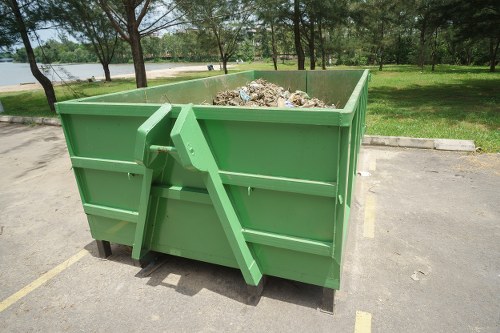
Some premises need waste removal that looks similar to a home clearance because the contents include domestic-style furniture, stored personal items or mixed room contents rather than standard office material. That can happen in managed properties, small hospitality spaces, staff accommodation or buildings being returned to an empty condition. In those cases, the main task is to clear the relevant items carefully and leave the space ready for the next stage, whether that is refurbishment, handover or routine maintenance.
Where the contents are varied, we can discuss home clearance, house clearance or flat clearance style collections where those descriptions match the type of premises and the items involved. For lofts, garages and storage spaces, more focused pages such as loft clearance and garage clearance can also be useful if the waste is concentrated in a particular part of the building. The benefit of matching the collection type to the contents is that the discussion stays specific and the work can be planned more accurately.
If you are unsure how to classify the job, start with what is physically present rather than the label on the building. Loose furniture, boxed items, old stock, domestic clutter and stored equipment may all be part of the same removal. A short note about whether the space is partly cleared or full to capacity can also help. That gives a better basis for planning than a guess based on the name of the premises alone.
General waste removal for ongoing maintenance
Ongoing waste removal is often needed when premises generate smaller amounts of material regularly rather than one large clearance. This can include packaging, broken items, maintenance waste and general refuse produced during day-to-day operations. Even when the quantities are modest, having a clear route for disposal helps prevent clutter building up in back areas, corridors or delivery spaces. The service can therefore support both one-off clearances and practical upkeep between larger projects.
Where regular rubbish is only one part of the picture, it may be useful to combine it with a more specific removal such as waste removal or a targeted builders waste clearance if the work comes from decorating, repair or fit-out activity. Builders waste often contains heavier or rougher materials than normal office waste, so it is worth separating that from standard refuse when you describe the job. A clear distinction between ordinary rubbish and project debris helps the collection stay efficient.
Consistency matters as much as scale for ongoing clearances. A business that regularly generates mixed waste may prefer a simple, repeatable arrangement rather than a different process each time. If that sounds familiar, note the type of waste, how often it appears and whether it tends to be bagged, boxed or loose. That allows the collection to be shaped around how your site actually operates rather than around an assumption.
Recycling, re-use and responsible handling
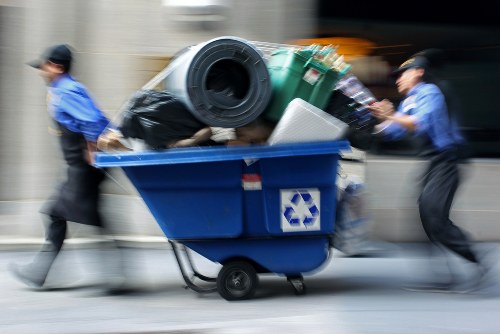
Commercial waste removal should not be treated as a single destination for everything. Some items can be separated for recycling, some may be suitable for re-use where appropriate, and others must be disposed of through the correct route for their material or condition. A careful collection process helps reduce unnecessary disposal and makes it easier to direct items to the most suitable stream. That is especially relevant when the job includes a mix of paper, cardboard, furniture, appliances and general rubbish.
Businesses that want to think about the wider handling of their waste can also review recycling and sustainability. That page is a helpful companion when you want to understand how different waste types are approached, but the practical decision still begins with what needs removing from the premises. If some items are damaged beyond use while others are still serviceable, it is worth pointing that out early so the collection can be discussed accurately. Clear sorting at the enquiry stage often makes the rest of the job simpler.
If you are ready to move forward, you can request a quotation with a brief description of the waste, the premises and any access details that may affect collection. If you prefer to plan first, take a look at the relevant service pages and then send a simple summary of the job. Either way, the next step is straightforward: tell us what needs removing and we can discuss the most suitable collection arrangement.