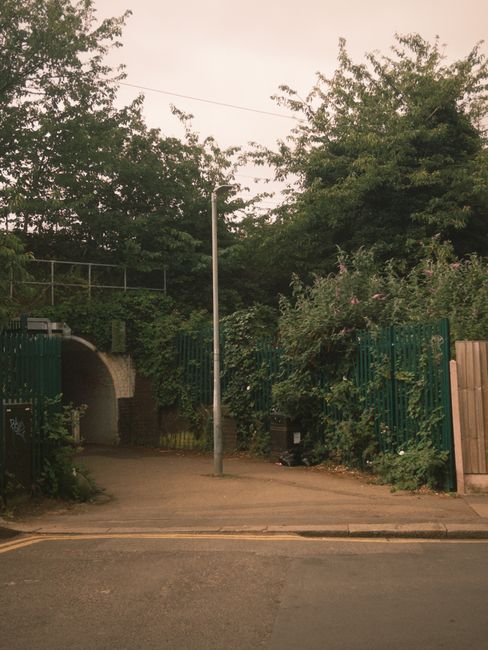
West Wickham Station to Coney Hall Rubbish Drop Tips for Commuters
If you're juggling bags, a train connection, and a bit of unwanted clutter, the last thing you need is a messy disposal plan that eats into your day. These West Wickham station to Coney Hall rubbish drop tips for commuters are designed for exactly that kind of real-life situation: quick, sensible, low-stress rubbish handling when you're moving between places and don't want waste hanging around any longer than necessary.
Maybe it's a box of packaging from a flat move. Maybe it's a broken chair, old files, or a couple of bulky items you've been meaning to sort for weeks. Whatever the case, the simplest approach is usually the best one. In this guide, we'll walk through what the process means, how to handle it safely, the common traps to avoid, and when a more professional option makes life easier. Truth be told, that "I'll deal with it later" pile has a habit of growing legs.
Table of Contents
- Why this matters for commuters
- How the rubbish drop process works
- Key benefits and practical advantages
- Who this is for and when it makes sense
- Step-by-step guidance
- Expert tips for smoother disposal
- Common mistakes to avoid
- Tools, resources and recommendations
- Law, compliance and best practice
- Options and comparison table
- Case study / real-world example
- Practical checklist
- Conclusion
- Frequently asked questions
Why West Wickham Station to Coney Hall Rubbish Drop Tips for Commuters Matters
Commuting and rubbish disposal rarely get discussed together, but they should. If your day already includes a station platform, a bus or walk home, and a tight schedule, waste management becomes a logistics problem rather than a simple chore. A small mistake can mean carrying awkward bags for longer than planned, missing a connection, or leaving items somewhere they shouldn't be left.
The route between West Wickham station and Coney Hall is the sort of local journey where people often try to "fit in" a disposal task on the way. That can work well if you plan it properly. It can also go sideways fast if you've got wet cardboard, loose bagged waste, or a heavy item that's harder to carry than it looked in the hallway. You know the feeling: the bag seemed fine at home, then suddenly it's cutting into your hand halfway there.
Good rubbish drop planning matters because it helps you:
- save time on busy workdays
- avoid carrying waste through crowded commuter routes
- reduce the risk of spills, smells, or damage to belongings
- sort recyclable and non-recyclable items before you leave
- avoid guesswork when dealing with bulky or awkward waste
It also matters for presentation and safety. Waste left unsafely near transport routes or access points creates nuisance and can lead to complaints. A calm, tidy approach is simply better for everyone.
How West Wickham Station to Coney Hall Rubbish Drop Tips for Commuters Works
At a practical level, this is about planning your waste drop around a normal commuter journey so that disposal becomes part of the trip rather than a separate headache. The "how" depends on the kind of rubbish you have, how much of it there is, and whether you're carrying it yourself or arranging a collection.
A commuter-friendly rubbish drop usually follows a simple pattern:
- Sort your items at home or at the office.
- Separate recyclables, general waste, and anything that needs specialist handling.
- Pack items into sturdy, sealed bags or boxes.
- Label or group items if you're transporting more than one type.
- Choose a route and timing that avoids peak congestion where possible.
- Drop waste only at a suitable, permitted place or hand it over to a legitimate service.
That last part matters. Not every item can be treated the same way, and not every location is appropriate for drop-off. Heavy furniture, electrical items, and anything hazardous usually need special treatment. If you're unsure, it's worth checking before you start dragging it around during the morning rush.
For larger clear-outs, many commuters find it easier to use a dedicated waste service rather than trying to improvise. If the rubbish is part of a bigger home tidy-up, it can help to look at waste removal options or more specific services like home clearance and flat clearance. That way, the journey stays a journey, not a moving obstacle course.
Key Benefits and Practical Advantages
There are a few obvious benefits, and a few quieter ones that people only notice after they've done it the hard way.
1. Less stress before and after work. If your rubbish is already sorted, you won't be walking home thinking about it. That mental relief is underrated, honestly.
2. Better use of time. A planned rubbish drop can fit neatly into your commute instead of turning into a separate errand that eats up your evening.
3. Cleaner living and working spaces. Getting rid of packaging, broken items, and old clutter sooner means less mess building up in the background.
4. Easier decisions about reuse and recycling. When you pause to sort properly, you're more likely to keep reusable items out of general waste. That's good for the environment and often easier on the wallet too.
5. Fewer physical hassles. If you've ever tried to carry an oversized item through a station environment, you'll know it's not ideal. Proper planning avoids the wobble, the awkward pivot, and the odd sideways shuffle through a crowd.
6. More control over compliance. When you handle waste properly, you're less likely to end up with a disposal issue, especially for items that require specialist handling such as fridges, mattresses, or confidential materials.
For example, if you are clearing out an office locker, you might need confidential shredding for documents rather than tossing paperwork into mixed rubbish. That small decision can save a lot of regret later.
Who This Is For and When It Makes Sense
This kind of practical rubbish drop planning is useful for more people than you might think. It's not just for people with huge clear-outs. In fact, the smaller commuter jobs are often the most common.
- Office workers carrying a few items from home or work that need proper disposal
- Renters moving between a station commute and a flat clear-out
- Busy parents trying to get rid of packaging, broken toys, or old household bits
- Tradespeople who need to manage light builders' waste between jobs
- Small business owners with regular waste that cannot simply pile up
- Anyone in a decluttering phase who wants the job done without a full day disappearing
It makes sense when the waste volume is manageable, the items are safe to move, and you already plan to travel that route anyway. It is less sensible when the load is heavy, messy, wet, sharp, or uncertain. If you're dealing with old appliances, damaged furniture, or loft contents, a more direct service is often the smarter choice.
That's especially true for bulky household items. A worn-out sofa or mattress is not the sort of thing you casually drag around before a train ride. Services such as mattress and sofa disposal and furniture disposal exist for a reason.
Step-by-Step Guidance
Here's a straightforward way to handle a commuter rubbish drop without turning it into a day-ruiner.
1. Identify exactly what you're moving
Start by separating general rubbish from recycling, electrical items, bulky waste, and anything sharp or hazardous. A bit of sorting upfront makes the rest much easier. It also helps you decide whether the item is actually suitable to carry or whether it needs specialist removal.
2. Keep materials dry and secure
Wet cardboard, loose food waste, and open bags are a bad mix for commuting. Use strong sacks, lidded boxes, or tied bundles. If it smells, leaks, or flakes everywhere, stop and repack it. That sounds obvious, but people skip it all the time.
3. Think about weight and shape
One small box of books can be more annoying than two bags of light waste. Strange shape matters too. A wobbly item might be fine in the hallway and impossible on the move. If you need both hands just to keep balance, it may not be a commuter-friendly load.
4. Time the trip carefully
Try to avoid the peak crush where possible. Even a ten-minute shift can make the whole experience less stressful. If you're heading home after work, remember that your energy levels are lower then. Everything feels heavier at 6:15 p.m. for some reason.
5. Choose the right disposal route
For some items, a normal recycling or waste route is fine. For others, it isn't. If you're dealing with garden waste, builder's debris, or household clearances, use a route suited to that material. For example, garden clearance is very different from general rubbish handling, and builders' waste clearance should be treated separately from everyday bin waste.
6. Confirm the hand-off or collection point
Before you leave, make sure you know exactly where the waste is going and how it will be received. If there's any uncertainty, don't wing it. Commuter waste handling works best when the destination is settled in advance.
7. Finish with a quick reset
Once the rubbish is gone, do a fast check of bags, pockets, and the area you cleared. Five minutes now can save you from finding a forgotten item later. It's always the one you meant to keep that goes missing, isn't it?
Expert Tips for Better Results
Small adjustments make a big difference here. These are the kinds of habits that turn a clumsy errand into something neat and manageable.
- Pack by destination. Keep recycling, general waste, and special items separated from the start.
- Use proper containers. Strong bags or boxes stop spills and make carrying easier.
- Don't overload one item. Two manageable bags are better than one impossible one.
- Keep your hands free where possible. A shoulder bag, backpack, or trolley can be far more practical than juggling loose bits.
- Avoid mixed loads with sharp or fragile waste. Broken glass, metal edges, and splintered wood need more care.
- Know when to stop. If it becomes unsafe or awkward, pause and use a better disposal method.
Another practical tip: if you're clearing a room as part of a bigger move, do not leave the sorting until the end. The final sweep always takes longer than expected. If you're already dealing with a pile of items, consider whether loft clearance, garage clearance, or house clearance is the more realistic route.
If you need disposal for larger household pieces, keep an eye on the material type too. White goods and electronics are different from furniture. A dedicated fridge and appliance removal service is usually the right fit for cold appliances and similar items.
Common Mistakes to Avoid
Most problems here come from a few predictable missteps. Nothing dramatic, just the sort of thing that happens when you're in a rush.
- Assuming every item can go with general rubbish. It can't. Some items need special handling.
- Using weak bags. A torn bag in the middle of a commute is a miserable little event.
- Leaving it too late. If you rush, you sort badly.
- Mixing recyclables with contaminated waste. Once contaminated, some materials are no longer suitable for recycling.
- Carrying more than you can safely manage. Safety first, always. Pride can wait.
- Forgetting privacy-sensitive documents. Paper records, bank letters, and client files should be handled carefully.
There's also a temptation to treat outdoor waste the same as indoor waste. That can go wrong quickly. Soil, cuttings, and damp green waste are better handled through garden clearance, while old fittings from home projects may belong in builders' waste clearance. Same broad family, very different handling.
And one more thing: don't leave anything in a place where it could become an obstruction. That's one of those tiny errors that creates a bigger issue than it should. A neat drop is a good drop.
Tools, Resources and Recommendations
You do not need a load of fancy kit. A few simple things make commuter rubbish handling much easier.
- Heavy-duty bin bags for sealed general waste
- Reusable crates or boxes for documents, books, and dry household items
- Gloves for sharp edges, dusty materials, or mixed clear-outs
- A trolley or wheeled bag if the load is awkward but manageable
- Labels or tape to keep items grouped
- Cleaning wipes for the post-drop tidy-up
If you're dealing with mixed contents from a room or property, it can help to review whether a more structured service makes sense. Pages like office clearance, home clearance, and waste removal are useful starting points when you want the clutter dealt with in one go rather than piecemeal.
For people who care about recycling and environmental impact, it's also worth thinking in terms of reuse first, disposal second. The smallest habit shift can help. Keep reusable packaging aside, separate out metal or cardboard where practical, and don't mix clean materials with dirty waste if you can help it. The difference is often just a few minutes of sorting.
Law, Compliance, Standards, or Best Practice
For commuter rubbish handling, the main thing is to stay within normal UK waste expectations and use common sense. You do not need to become a legal expert, but you do need to avoid careless disposal and unsafe transport.
Best practice generally includes the following:
- do not dump waste in unauthorised places
- keep waste secure so it does not spill during travel
- separate hazardous or specialist items from normal rubbish
- use proper handling methods for sharp, heavy, or dirty materials
- protect personal or confidential data before disposal
Some waste types need extra care. Hazardous items, chemicals, paints, oils, and certain electrical or refrigerant-containing appliances should not be treated like everyday rubbish. If you're unsure, stop and check the item first. That pause is better than a mistake.
It's also sensible to use services that show clear attention to safety, security, and responsible handling. Pages such as health and safety policy, insurance and safety, recycling and sustainability, and hazardous waste disposal are helpful indicators of how a provider thinks about duty of care. That's a good sign, plain and simple.
If confidential paperwork is involved, use proper destruction rather than casual disposal. If a broken monitor, fridge, or similar item is included, specialist handling is the safer route. No one wants to discover later that the wrong item went into the wrong bag. Bit of a headache, that.
Options, Methods, or Comparison Table
There are usually three realistic ways to handle rubbish when you're commuting between West Wickham station and Coney Hall: carry it yourself, split it over time, or arrange a professional clearance. The right choice depends on the amount, type, and urgency of the waste.
| Method | Best for | Pros | Trade-offs |
|---|---|---|---|
| Carry it yourself | Small, dry, safe loads | Quick, low cost, flexible | Can be awkward, tiring, and unsuitable for bulky items |
| Split it over several trips | Light decluttering over time | Easy to manage, less physical strain | Takes longer and needs discipline |
| Professional clearance | Bulky, mixed, or time-sensitive waste | Convenient, safer for heavy items, less disruption | Usually costs more than doing it yourself |
For most commuters, the self-carry option works only when the waste is genuinely small and well-prepared. Once it starts becoming bulky or awkward, the professional route becomes more attractive. Especially if you're dealing with furniture, household items, or a room that has gone from "quick tidy" to "why did I start this today?".
If you want to compare service types, furniture-specific pages like furniture clearance and mattress and sofa disposal are more suitable than a broad general solution for certain household items.
Case Study or Real-World Example
Here's a realistic example. A commuter finishes a week of flat sorting and ends up with three bags of mixed rubbish, a flat-pack box, and an old desk chair. At first glance, it seems possible to carry everything in one go after work. Then the details show up: the box is damp from a spill, one bag has sharp packaging edges, and the chair is more awkward than expected.
Instead of forcing the job into a rushed station-to-home trip, they split the task. Recyclables go out first in dry, tied bundles. The paperwork is shredded separately. The chair is set aside for a proper furniture disposal option. The heavy or awkward items are not dragged through a commuter route at all.
That small change does three useful things: it reduces stress, avoids a mess on the route, and makes the disposal process feel manageable rather than endless. It's boring in the best possible way. No drama, no last-minute panic, no carrying a chair like a reluctant trophy.
The same logic applies to bigger properties. A homeowner clearing a loft or garage may decide to book a broader service instead of forcing the waste into multiple train-adjacent trips. Services such as loft clearance and garage clearance suit those situations far better.
Practical Checklist
Use this before you leave. It saves time, and it saves that awkward moment halfway through the trip when you realise you packed the wrong thing.
- Have I sorted waste into the right categories?
- Are all bags, boxes, or bundles sealed securely?
- Is anything wet, leaking, sharp, or hazardous?
- Am I carrying anything too heavy or awkward for a commuter journey?
- Do any items need specialist disposal, such as appliances or furniture?
- Have I protected personal documents or confidential material?
- Do I know the exact disposal route or service I'm using?
- Have I left enough time so I'm not rushing?
- Do I have gloves, tape, or a trolley if needed?
- Will the trip be safe, tidy, and realistic from start to finish?
If you can answer yes to most of those, you're probably in good shape. If not, the safer option is usually to pause and choose a better disposal method.
Get a free quote today and see how much you can save.
Conclusion
Commuter rubbish drop planning does not need to be complicated. In fact, the best approach is usually the simplest one: sort properly, carry only what is safe and realistic, and use specialist help when the waste is bulky, sensitive, or awkward. That's the real heart of these West Wickham station to Coney Hall rubbish drop tips for commuters.
When you handle waste with a little forethought, the whole process becomes calmer, faster, and much less annoying. And let's face it, that's exactly what most busy days need. A small bit of order can make a surprisingly big difference.
If you're staring at a pile that feels bigger than it should, take that as useful information, not failure. It may simply be telling you that a different method will work better. That's fine. Practical beats stubborn every time.
One clean step at a time is still progress.
Frequently Asked Questions
What are the best West Wickham station to Coney Hall rubbish drop tips for commuters?
The best tips are to sort your waste first, keep bags sealed, avoid overloading, and only carry items that are safe and easy to manage on a commuter journey. If anything is bulky or messy, choose a better disposal method.
Can I take rubbish with me on my commute?
Yes, if it is small, safe, and properly packaged. Dry household rubbish, light recyclables, and documents are usually manageable. Heavy, sharp, leaking, or awkward waste is a poor fit for commuting.
What should I do with bulky items like furniture?
Bulky items are usually better handled through a specialist service. Furniture is awkward to carry, hard to keep clean, and not ideal for station travel. Look at furniture-specific disposal or clearance options instead.
How do I deal with confidential papers before disposal?
Remove personal information and use secure destruction rather than putting paperwork in mixed waste. If you're dealing with business records or sensitive files, confidential shredding is the safer route.
Are fridges, freezers, and appliances treated as normal rubbish?
No, they usually need specialist removal. Appliances can contain materials that should not be handled like general waste, so it's safer to use a dedicated appliance removal service.
What is the safest way to carry rubbish on public transport?
Use sealed containers, keep the load light, and avoid anything that could spill, smell, or break. If you wouldn't want it on your lap for the whole journey, it probably shouldn't be there.
When should I use a professional waste removal service instead?
Use a professional service when waste is bulky, heavy, mixed, hazardous, or time-sensitive. It's also a sensible option if you're clearing a room, flat, garage, loft, or office rather than disposing of a few small items.
Can I mix recycling and general rubbish together?
It's better not to. Keeping recyclables separate improves the chance they can be handled properly and prevents contamination. A few minutes of sorting can make a real difference.
What if I only have one awkward item to dispose of?
Even one awkward item can justify a specialist approach if it is heavy, oversized, or unsafe to carry. A single sofa, mattress, or appliance can be far more trouble than it looks at first.
How do I avoid making a mess during the trip?
Seal everything properly, double-bag anything uncertain, and never carry open waste through a station area. If an item is dusty, damp, or crumbly, repack it before leaving.
Is there a difference between home clear-outs and office waste?
Yes. Office waste often includes confidential paperwork, electronics, and regular business waste, while home clear-outs may include furniture, household clutter, and room-specific items. The handling needs are not the same.
What should I do if I'm unsure whether an item is hazardous?
Do not assume. Put it aside and check before disposal. Hazardous items need careful handling, and guessing is not worth the risk. If in doubt, use a specialist service or ask for guidance before moving it.