Comprehensive Guide to Business Waste Removal in Coney Hall

Introduction to Business Waste Removal
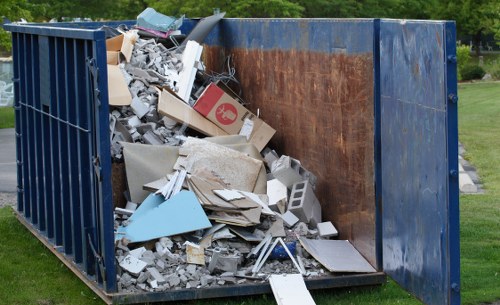
A large, open-top industrial waste container situated outdoors on a grassy area, with its side panels made of dark blue metal, one of which is partially open, revealing a significant pile of mixed debris inside. The waste consists of broken concrete slabs, white and blue ceramic tiles, cardboard boxes, plastic fragments, and fragments of drywall, all in various sizes and textures. Some debris is spilling over the edge of the container onto the ground. The background includes a well-maintained lawn and a line of trees, suggesting a suburban or parkland setting. The metal surface of the container appears weathered, with visible rust patches on the interior wall facing the debris, and the scene is illuminated by natural daylight, emphasizing the textures and colors of the waste materials. This image illustrates a typical scenario for commercial waste removal in Coney Hall, managed by Commercial Waste Removal Coney Hall, servicing businesses needing rubbish clearance services postcode related to the area.

Managing business waste is a critical aspect of maintaining a clean, safe, and efficient workplace. In Coney Hall, businesses face unique challenges when it comes to waste disposal, ranging from compliance with local regulations to ensuring minimal impact on the environment. Effective waste removal solutions not only improve operational efficiency but also contribute to a company’s sustainability goals.

Businesses generate a variety of waste types, including office waste, construction debris, electronic waste, and hazardous materials. Each category requires specific handling and disposal methods to adhere to legal standards and promote environmental stewardship. This article explores the best practices, services, and benefits associated with business waste removal in Coney Hall.

Understanding the local waste removal landscape is essential for businesses aiming to optimize their waste management processes. By partnering with reputable waste removal services, companies can ensure that their waste is handled responsibly, reducing their carbon footprint and enhancing their corporate image.

Types of Business Waste
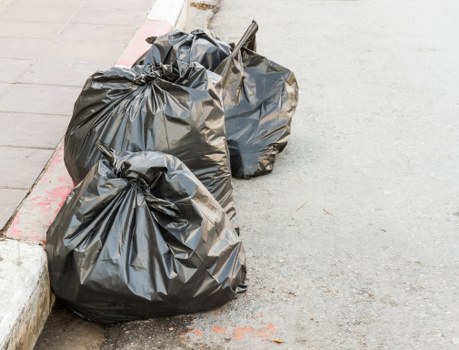
Three large black plastic rubbish bags filled with waste are placed on the pavement next to a curb in an outdoor area, likely on a driveway or street in Coney Hall. The bags appear tightly knotted at the top and have a glossy, slightly crinkled texture, indicating they contain bulk refuse. The surrounding environment features a concrete or stone curb with some visible red paint markings, and the pavement surface is a mix of light grey concrete and asphalt. To the left, a section of the curb is weathered but intact. The background shows an outdoor urban setting, with no other objects or vehicles visible, emphasizing the outdoor placement typical of waste collection points. This scene is consistent with the services provided by Commercial Waste Removal Coney Hall, specialising in rubbish clearance for local businesses, often involving the collection and removal of such accumulated refuse bags from commercial or residential locations in the area.

Businesses in Coney Hall typically generate several types of waste, each requiring different disposal methods:

  • General Office Waste: Paper, cardboard, packaging materials, and non-hazardous plastics.
  • Construction Debris: Concrete, wood, metal, and other materials from renovation or construction activities.
  • Electronic Waste: Old computers, printers, and other electronic devices.
  • Hazardous Materials: Chemicals, batteries, paints, and other materials that pose environmental or health risks.
  • Organic Waste: Food scraps and biodegradable materials from cafeterias or restaurants.

Proper segregation and classification of waste are crucial. This ensures that recyclable materials are efficiently processed, hazardous waste is safely handled, and overall disposal complies with local regulations.

Businesses must stay informed about the types of waste they produce and collaborate with waste removal experts to develop effective strategies for managing them.

Regulations and Compliance in Coney Hall

A collection of discarded tin cans, predominantly silver with some gold-colored lids, of varying sizes and shapes, scattered and stacked haphazardly on a surface. The cans have smooth, metallic surfaces, with some showing ridges typical of food tins. The scene appears to be set outdoors or in a warehouse environment, with the cans positioned closely together, with no packaging or labels visible. The lighting highlights the reflective surfaces of the cans, emphasizing their metallic finish. The arrangement suggests a collection of empties awaiting disposal or collection by a waste removal service such as Commercial Waste Removal Coney Hall, serving local businesses in the area near the postcode district relevant to Coney Hall, within the broader London borough. This image visually represents waste materials gathered for rubbish removal, fitting within the context of professional waste management and rubbish collection services for commercial clients in the region.

Compliance with local waste management laws is mandatory for all businesses operating in Coney Hall. Non-compliance can result in hefty fines, legal repercussions, and damage to a company’s reputation.

The local council has established specific guidelines for disposing of different waste types. For instance, hazardous waste requires special permits and must be handled by certified waste removal companies. Failure to follow these regulations not only affects the environment but can also lead to operational disruptions.

Businesses should stay updated on regulatory changes and ensure that their waste removal practices align with current laws. Partnering with a knowledgeable waste removal service in Coney Hall can help navigate the complexities of waste management regulations.

Benefits of Professional Waste Removal Services
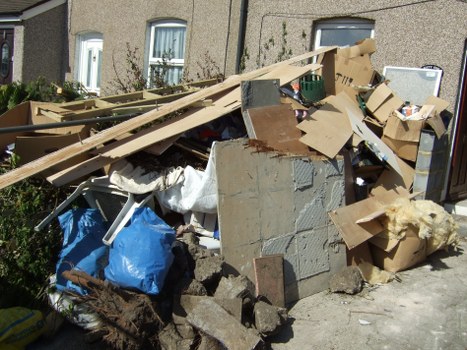
A large pile of mixed construction and household waste is piled against the exterior wall of a residential building on a paved driveway. The debris includes various materials such as broken concrete blocks, pieces of wood, cardboard boxes, and fabric waste. There are flattened cardboard cartons, some with visible tape and printed markings, scattered and leaning over other materials. Sections of wood, including a long, thin plank, are stacked unevenly at the top of the pile. A white fabric or plastic sheet is draped over part of the rubbish, partially covering some of the debris. In the background, a beige textured wall with two small, closed windows and a narrow garden area with some shrubbery is visible. The overall scene depicts a typical waste clearance area, likely for a rubbish removal service such as Commercial Waste Removal Coney Hall, servicing the local postcodes in the vicinity of Coney Hall. The lighting appears natural, indicating daytime, with shadows cast on the ground and debris.

Engaging professional waste removal services offers numerous advantages:

  • Efficiency: Scheduled pickups and prompt services ensure that waste does not accumulate, maintaining a clean and organized workspace.
  • Compliance Assurance: Professionals are well-versed in local regulations, ensuring that all waste is disposed of legally and responsibly.
  • Environmental Impact: Proper waste management reduces environmental harm and supports sustainability initiatives.
  • Cost-Effective: Outsourcing waste removal can be more economical than managing it in-house, saving time and resources.
  • Health and Safety: Proper disposal of hazardous materials minimizes health risks to employees and customers.

By leveraging the expertise of waste removal professionals, businesses can focus on their core operations while ensuring that waste management is handled effectively.

Investing in reliable waste removal services is a strategic decision that benefits both the business and the community.

Choosing the Right Waste Removal Service in Coney Hall
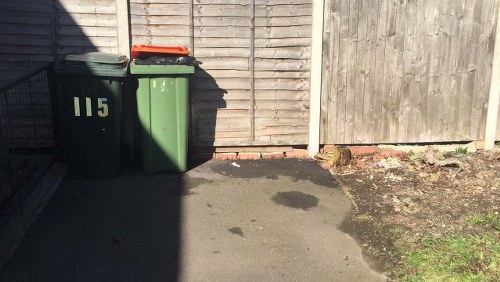
Two large wheelie bins, one green and one black, are positioned side by side on a paved driveway in front of a wooden fence. The green bin has the number 115 painted in yellow on its front. The green bin appears to be made of plastic with a smooth, matte finish, and both bins have closed lids; the green bin’s lid is orange. Shadows cast by nearby structures suggest that the image was taken on a sunny day. Surrounding the bins, the driveway extends out, with a darker patch of surface visible beneath the bins, indicating recent spillage or staining. To the right, the ground is partially covered with soil and small patches of grass, with a few scattered stones close to the fence. The backdrop comprises a mixture of vertical wooden panels and a section of a wooden gate, typical of residential fencing. This scene depicts a typical waste management setup outside a property, consistent with services provided by Commercial Waste Removal Coney Hall, situated near the postcode area, providing efficient rubbish collection and disposal solutions.

Selecting a dependable waste removal service is crucial for seamless waste management. Here are key factors to consider:

  • Experience: Look for companies with a proven track record in handling various types of business waste.
  • Licensing and Certification: Ensure the service provider is licensed and certified to manage specific waste types, especially hazardous materials.
  • Service Range: Choose a provider that offers comprehensive services, including waste collection, recycling, and disposal.
  • Flexibility: The ability to customize services based on the business’s unique needs is essential.
  • Reputation: Check reviews and testimonials to gauge the reliability and quality of the service.

Engaging a reputable waste removal service in Coney Hall ensures that your business waste is managed responsibly and efficiently.

Take the time to evaluate potential providers to find the best fit for your business needs.

Implementing Effective Waste Management Practices
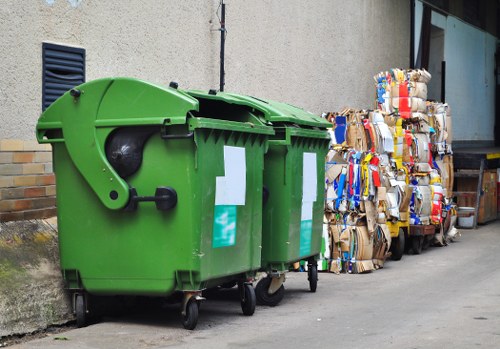
A large green wheeled waste bin with a closed lid, situated on a paved outdoor area next to a light-colored building wall, with a row of tightly packed cardboard packed recyclables stacked nearby. The cardboard is flattened and bundled, featuring various printed and plain brown boxes, some with colourful markings. The bin appears to be made of durable plastic with a textured surface, and the scene is set in an urban or suburban environment, possibly in Coney Hall or nearby. The background includes a small vent on the wall and a section of window with a reflective surface. The arrangement suggests a commercial waste collection point with equipment used by waste removal services like Commercial Waste Removal Coney Hall, providing context for rubbish collection and recycling activities.

Beyond outsourcing waste removal, businesses can adopt in-house practices to enhance waste management:

  1. Waste Audits: Regularly assess the types and quantities of waste generated to identify reduction opportunities.
  2. Segregation: Implement waste sorting protocols to separate recyclables, hazardous materials, and general waste.
  3. Recycling Programs: Establish initiatives to recycle paper, plastics, metals, and electronics.
  4. Employee Training: Educate staff on proper waste handling and disposal procedures.
  5. Reduce Waste Production: Optimize processes to minimize waste generation at the source.

Effective waste management not only ensures compliance but also fosters a culture of sustainability within the organization.

Integrating these practices with professional waste removal services can significantly enhance overall waste handling efficiency.

Environmental and Economic Benefits
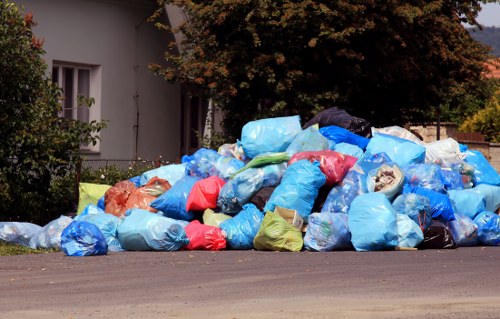
A large pile of various plastic rubbish bags in shades of blue, red, green, yellow, and transparent, piled up along the edge of a residential street pavement in Coney Hall. The bags appear to contain household waste or miscellaneous refuse, some tightly knotted and others loosely gathered. The background includes a white residential building with a window, partially obscured by greenery, including shrubs and a tree with dark leaves. The scene is situated in an outdoor urban environment on a paved road and sidewalk, with no visible vehicles or waste collection equipment. The presence of the waste bags suggests a collection or clearance activity managed by a rubbish removal service such as Commercial Waste Removal Coney Hall, which operates locally in the area, supporting safe and efficient waste clearance for businesses and residents in the postcode region.

Proper business waste removal in Coney Hall offers both environmental and economic advantages:

  • Environmental Protection: Reducing waste sent to landfills minimizes pollution and conserves natural resources.
  • Energy Savings: Recycling materials often requires less energy compared to producing new products from raw materials.
  • Cost Savings: Efficient waste management can lower disposal costs and reduce the need for additional storage space.
  • Enhanced Reputation: Businesses committed to sustainable practices attract environmentally conscious customers and partners.
  • Compliance Benefits: Staying compliant with waste regulations avoids fines and legal issues.

By prioritizing effective waste removal, businesses contribute positively to the community and enhance their operational efficiency.

Embracing sustainable waste practices is a win-win for both the environment and the bottom line.

Technology and Innovations in Waste Removal
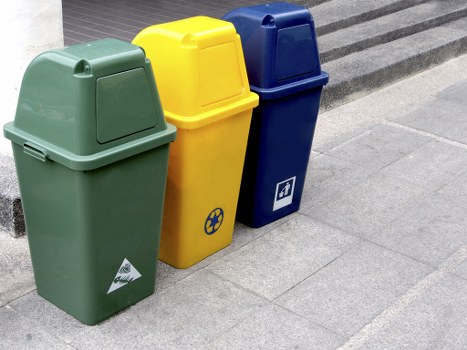
The image shows three upright wheeled rubbish bins placed on a grey paved surface, likely part of a waste collection point for commercial or domestic use in a town in the UK. The first bin on the left is green with a rounded lid, typically used for general waste, and features a white recycling triangle symbol on the front. The middle bin is bright yellow with a similar rounded lid, often designated for recyclable materials, and has a small, dark symbol resembling a recycling emblem on its front panel. The third bin on the right is dark blue, also with a rounded lid, likely intended for paper or mixed recyclables, and displays a white icon of a sheet of paper on the front. All three bins are positioned closely in a line, with the green bin slightly forward. The bins are clean and appear to be made of durable plastic, with textured finishes to resist weathering. Behind them, part of a building or urban environment is visible, suggesting a structured area for waste collection servicing businesses or residents in Coney Hall postcode area. The scene is well-lit, indicating daytime conditions typical for outdoor waste disposal points, associated with rubbish removal services like those provided by Commercial Waste Removal Coney Hall.

The waste removal industry is evolving with the integration of advanced technologies:

  • Automated Sorting Systems: Enhanced sorting mechanisms improve the efficiency of recycling processes.
  • Tracking and Reporting Software: These tools help businesses monitor their waste generation and disposal activities.
  • Eco-Friendly Vehicles: Electric and hybrid waste collection vehicles reduce carbon emissions during waste transport.
  • Biodegradable Packaging: Encouraging the use of sustainable packaging materials reduces overall waste.
  • Waste-to-Energy Technologies: Converting waste into energy sources provides alternative energy solutions.

Adopting these innovations can enhance the effectiveness of waste removal services, making them more sustainable and efficient.

Businesses should stay informed about technological advancements to leverage the benefits of modern waste management solutions.

Case Studies: Successful Waste Removal in Coney Hall
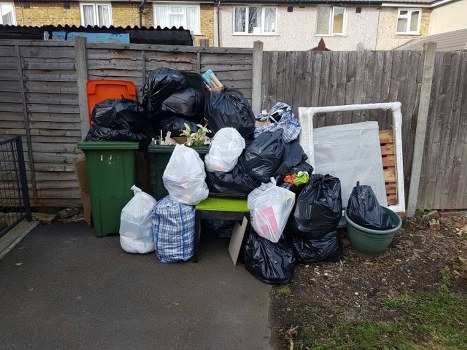
A large collection of black, white, and patterned bin bags filled with waste are piled on and around a small green and black rubbish bin and a green plant pot in an outdoor area. The waste bags rest on a concrete surface adjacent to a weathered wooden fence, with some leaning against the fence and others on top of a small green bench. Behind the heap, a white frame or panel is propped upright against the fence, and a green wheeled bin is partially visible on the right side. The environment appears to be a back garden or alleyway in Coney Hall, with neighboring residential buildings visible in the background. The waste collection is clearly prepared for removal, and the scene reflects typical rubbish accumulation suitable for commercial waste removal services in the area.

Examining successful waste removal implementations provides valuable insights:

Case Study 1: Office Complex

An office complex in Coney Hall partnered with a local waste removal service to streamline its waste management. By implementing a comprehensive recycling program and scheduled pickups, the complex reduced its waste by 40% within a year.

Case Study 2: Construction Company

A construction firm required efficient disposal of construction debris and hazardous materials. The waste removal provider offered specialized services, ensuring safe and timely removal, which minimized project delays and maintained regulatory compliance.

Future Trends in Business Waste Removal
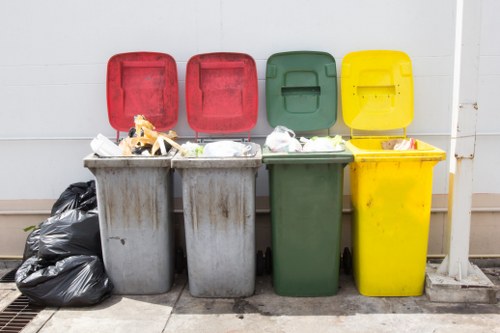
The image shows a row of four upright wheelie bins positioned outdoors against a plain white wall, with closed, brightly coloured lids. From left to right, the bins are grey, grey, green, and yellow, each made of plastic with textured surfaces and integrated handles, designed for waste separation. The grey bins appear to contain mixed household or waste items, with some visible debris and plastic wrapping spilling over their edges. Adjacent to the bins on the ground, a large black rubbish bag rests on a paved surface, which appears to be part of a driveway or pavement in a residential or commercial area in Coney Hall. The environment is well-lit, with shadows cast by the bins indicating natural daylight. The background is simple and functional, emphasizing the waste collection setup, highlighting the kind of refuse management services undertaken by Commercial Waste Removal Coney Hall in the local area. This scene exemplifies proper waste segregation practices with distinct containers for different waste streams, ready for collection or disposal, consistent with rubbish removal services in the region.

The future of business waste removal is likely to be shaped by several emerging trends:

  • Circular Economy: Emphasizing the reuse and recycling of materials to create closed-loop systems.
  • Digital Waste Management: Utilizing digital platforms for tracking and optimizing waste disposal processes.
  • Increased Sustainability Efforts: Companies prioritizing sustainability will demand greener waste removal solutions.
  • Policy Enhancements: Stricter regulations on waste disposal will drive innovations in waste management.
  • Community Engagement: Businesses collaborating with local communities to develop collective waste management strategies.

Staying ahead of these trends will enable businesses in Coney Hall to adapt and implement effective waste removal strategies that meet future demands.

Embracing these developments ensures long-term sustainability and operational efficiency in waste management.

Conclusion

[IMG_11]

Effective business waste removal in Coney Hall is essential for maintaining a clean, compliant, and sustainable business environment. By understanding the types of waste, adhering to regulations, and partnering with professional waste removal services, businesses can optimize their waste management practices.

Investing in proper waste removal not only enhances operational efficiency but also supports environmental conservation and fosters a positive corporate image. As the waste management industry evolves, staying informed about the latest practices and technologies will ensure that your business remains at the forefront of sustainable operations.

Contact us today to learn more about our comprehensive business waste removal services in Coney Hall and take the first step towards a cleaner, greener future for your business.

Frequently Asked Questions

Optimizing waste management helps businesses in Coney Hall reduce operational costs, comply with local regulations, enhance sustainability efforts, improve corporate image, and promote a healthier work environment.

Businesses can reduce waste by implementing recycling programs, minimizing packaging, adopting digital processes to decrease paper use, training employees on waste reduction practices, and choosing reusable or sustainable materials.

Services include waste collection and disposal, recycling and composting programs, hazardous waste management, confidential document shredding, and waste audits to identify areas for improvement.

Businesses should stay informed about local waste management laws, partner with certified waste management providers, maintain proper documentation, conduct regular audits, and train employees on compliance requirements.

Recycling helps businesses reduce the amount of waste sent to landfills, lower disposal costs, conserve natural resources, and demonstrate environmental responsibility, contributing to a positive corporate reputation.

Technology solutions like waste tracking software, automated sorting systems, and data analytics can improve efficiency, monitor waste generation patterns, facilitate reporting, and identify opportunities for waste reduction.

Cost savings can be achieved through reduced disposal fees, lower purchasing costs by minimizing waste, potential tax incentives for sustainable practices, and improved operational efficiency.

Businesses should use licensed hazardous waste carriers, follow proper storage and labeling procedures, ensure staff are trained in handling hazardous materials, and comply with relevant regulations to safely manage hazardous waste.

Steps include conducting a waste audit, setting clear reduction goals, engaging employees, selecting appropriate waste management services, monitoring progress, and continuously seeking improvements.

Employee training is crucial as it ensures staff understand waste reduction practices, comply with procedures, identify recycling opportunities, and contribute actively to the business’s sustainability goals.

Practices include using eco-friendly materials, implementing energy-efficient processes, promoting recycling and composting, reducing single-use items, and supporting local recycling initiatives.

Businesses should evaluate providers based on their service offerings, compliance with regulations, reliability, sustainability practices, pricing, and customer support to ensure they meet the specific waste management needs.
Commercial Waste Removal Coney Hall

Discover comprehensive business waste removal solutions in Coney Hall. Learn about types of waste, regulations, benefits of professional services, and sustainable practices to enhance your business's efficiency and environmental impact.

Book Your Commercial Waste Removal Coney Hall

Get In Touch With Us.

Please fill out the form below to send us an email and we will get back to you as soon as possible.